Posts

Showing posts with the label natural cat litter

Different Types of Horse Hay Bags and Their Importance

Image
  When it comes to caring for horses, the importance of proper feeding practices cannot be overstated. One essential tool in a horse owner’s caring pantry is the horse hay bag . This seemingly simple item can significantly impact your horse's health, behavior, and overall well-being.  However, with a myriad of options available in the market, equine owners are always in a quandary about which type to get for their horses. So, let’s dive into the hay bag world and explore the different horse hay bags, how each is different, and their specialty that is beneficial for your horse.    Buy Horse Hay Bags on Amazon Why Use a Hay Bag for Horses? Why Not? Hay bags are essential tools for all horse owners to get the various benefits that contribute to the overall well-being of their equine companion. From improving digestion, enhancing gut health, strengthening their gum line, and providing mental stimulation to reducing hay waste, hay bags help in many ways and bring numerous...

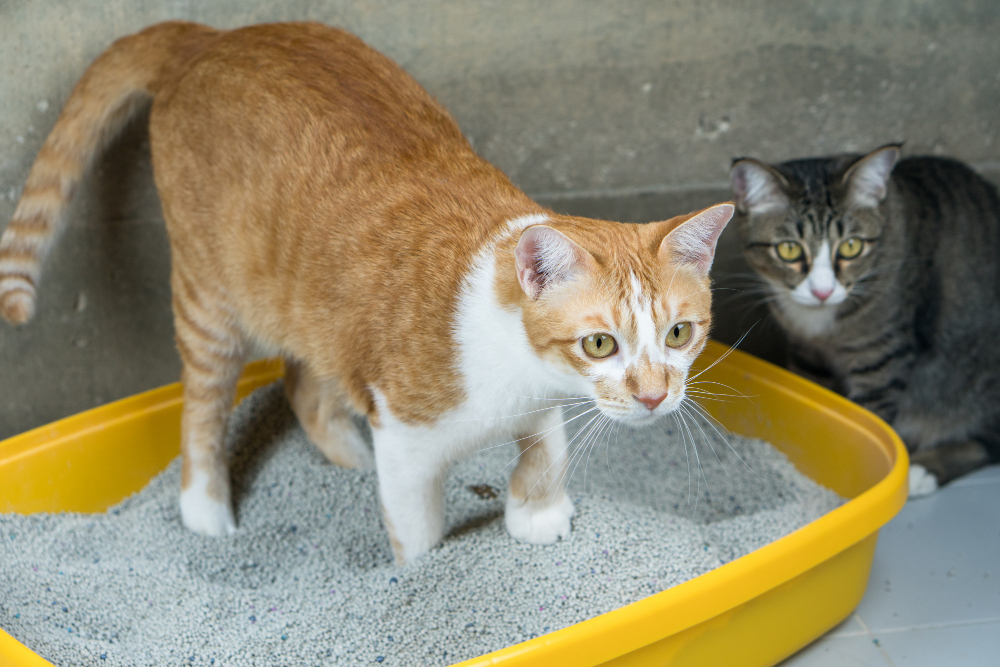
Cat Litter Myths Debunked: Separating Fact from Fiction

Image
  Cat litter is an essential part of every cat owner's life, but navigating the plethora of options available can be overwhelming. With so much information circulating about the best litter for cats , it's important to separate fact from fiction. Let's debunk some common myths surrounding cat litter, focusing on natural and organic options. Myth 1: Clay litter is the best option for cats. Fact: While clay litter has been a popular choice for decades due to its clumping abilities and odor control, it's not necessarily the best option for all cats. Clay litter can contain additives and fragrances that may irritate sensitive noses and paws. Additionally, clay is not environmentally friendly and can be harmful if ingested by cats. Myth 2: Natural cat litter doesn't clump as well as clay litter. Fact: Natural cat litter , such as those made from materials like pine, wheat, or corn, can indeed clump effectively. Many natural litters utilize plant-based ingredients that ...

Scented vs. Unscented Cat Litter: Pros and Cons.

Image
  Choosing the best litter for cats involves considering various factors, with scent being a significant consideration for many pet owners. Scented and unscented cat litters each have pros and cons, catering to the different preferences and needs of both cats and their human companions. Scented Cat Litter: Pros : One of the primary advantages of scented cat litter is its ability to mask unpleasant odors, keeping your home smelling fresh between litter box cleanings. The added fragrance can be particularly beneficial in multi-cat households or small living spaces where odors may accumulate quickly. Additionally, scented cat litter often appeals to pet owners who prefer a pleasant aroma, creating a more inviting environment for residents and guests. Cons: Despite its benefits, scented cat litter may not suit all cats. Some felines are sensitive to strong fragrances, which can cause respiratory issues or irritate their sensitive noses. Moreover, certain artificial scents may overpowe...

The Psychology of Cat Litter: What Your Cat's Litter Box Behavior Reveals

Image
  Understanding our feline companions' behavior around the litter box can offer valuable insights into their health, comfort, and preferences. From the type of litter used to the cleanliness of the box, every aspect shapes their behavior. Let's delve into the psychology behind cat litter and what your cat's habits might tell you. Firstly, choosing the best litter for cats is crucial. Cats have individual preferences regarding litter texture, scent, and material. Some cats prefer clumping litter, while others might favor non-clumping varieties. Natural cat litter from clay, wood, or corn appeals to many cats due to its earthy scent and texture. Free from synthetic additives and chemicals, organic cat litter provides a safe and environmentally friendly option that aligns with a cat's natural instincts. Observing your cat's behavior about the litter box can help determine if the chosen litter is suitable. If your cat consistently avoids the litter box or shows signs o...

How to Safely Dispose of Used Cat Litter

Image
  Cat owners know the importance of maintaining a clean litter box for their feline companions. However, disposing of used cat litter requires careful consideration to minimize environmental impact and ensure the safety of both humans and animals. Here's a comprehensive guide on safely disposing of used cat litter, emphasizing the use of the best litter for cats , including natural and organic options. 1. Choose the Right Cat Litter: Start by selecting the best litter for your cat's needs. Natural cat litter , made from renewable resources like corn, wheat, or pine, is an excellent eco-friendly choice. Free from synthetic chemicals and additives, organic cat litter provides a safer environment for your cat and the planet. 2. Scoop Regularly: Maintain a consistent scooping routine to keep your cat's litter box clean and odor-free. Remove solid waste daily and clumps as needed to prevent bacteria growth and unpleasant odors. 3. Double-Bagging Method: Opt for double-bagging to...

How do you determine which cat litter is best for your cat?

Image
  Choosing the best cat litter for your furry friend can be crucial to their comfort and your household's cleanliness. With many options available, ranging from traditional clay to eco-friendly alternatives like natural and organic cat litter, finding the perfect fit requires careful consideration. Firstly, assess your cat's preferences and needs. Some cats are picky about the texture and scent of their litter, while others have sensitivities that may require a more natural or hypoallergenic option. Observing your cat's behavior around different types of litter can offer valuable insight into their preferences. Natural cat litter , often made from wood, paper, or corn, appeals to many cat owners seeking a more eco-friendly option. It is biodegradable and usually produces less dust than clay litter, which can benefit your cat's and your own respiratory health. Additionally, natural litters are generally flushable, making cleanup a breeze. Organic cat litter goes a step...

Can Cat Litter Be Flushable? The Do's and Don'ts

Image
  In the quest for convenience and eco-friendliness, many cat owners wonder if cat litter can be flushed down the toilet. While some natural cat litter is marketed as flushable, there are important do's and don'ts to consider to avoid clogged pipes and environmental contamination. The Do's: 1. Choose the Right Litter: Look for cat litters labeled explicitly as flushable. These best litter for cats are usually made from biodegradable materials such as plant-based substances or certain types of clay that break down safely in water. 2. Follow Manufacturer Instructions: Read and follow the manufacturer's instructions carefully. Some flushable litters may require you only to flush small amounts at a time or to use specific flushing techniques to prevent clogs. 3. Monitor Your Plumbing: After switching to flushable cat litter , monitor your plumbing. If you notice signs of clogging or slow drainage, discontinue flushing the litter immediately. The Don'ts: 1. Don'...

What are the Best Litter for cat’s Options to Regular Cat Litter?

Image
  Introduction: Our feline friends' health and well-being are of importance to us. The kind of litter we use in their litter boxes is one factor that is often ignored. Traditional cat litter, which is frequently composed of clay and contains additives, may be harmful to the environment and your cat's health. In this guide, we'll look at safer options that keep your cat's safety first and make your home healthier. Let’s Explore the Best Litter for Cats: Casting Away Conventional Clay: Traditional clay litters, while effective in clumping and odor control, can contain dust that may lead to respiratory issues in cats, especially those with sensitivities. Opting for the best litter for cats involves considering alternatives such as silica gel, which is known for its low dust content. Silica gel provides excellent odor control and is gentle on your cat's respiratory system. Natural Cat Litter: For environmentally-conscious cat owners, natural cat litter offers a sustain...

Cat-Friendly Natural Cat Litter: Tips on How to Choose

Image
  Introduction: Many cat owners are selecting natural cat litter in response to the evolving pet care landscape to provide their cats with a healthy and environmentally responsible litter experience. Consider your cat's health, the environment, and the materials used while selecting cat litter. Make Your Cat's Well-being a Priority The well-being and comfort of your cat should be your top priorities when choosing a litter. Natural cat litter frequently contains soft, non-toxic ingredients devoid of harsh chemicals, artificial additions, and smells. This guarantees your beloved companion will be in a secure and comfortable environment. Sustainable and Biodegradable Choices Choosing organic and the best litter for cats means choosing a sustainable and biodegradable option. Many natural litters are made from renewable resources such as corn, wheat, or recycled paper. These materials break down naturally, reducing the environmental impact and contributing to a healthier planet...