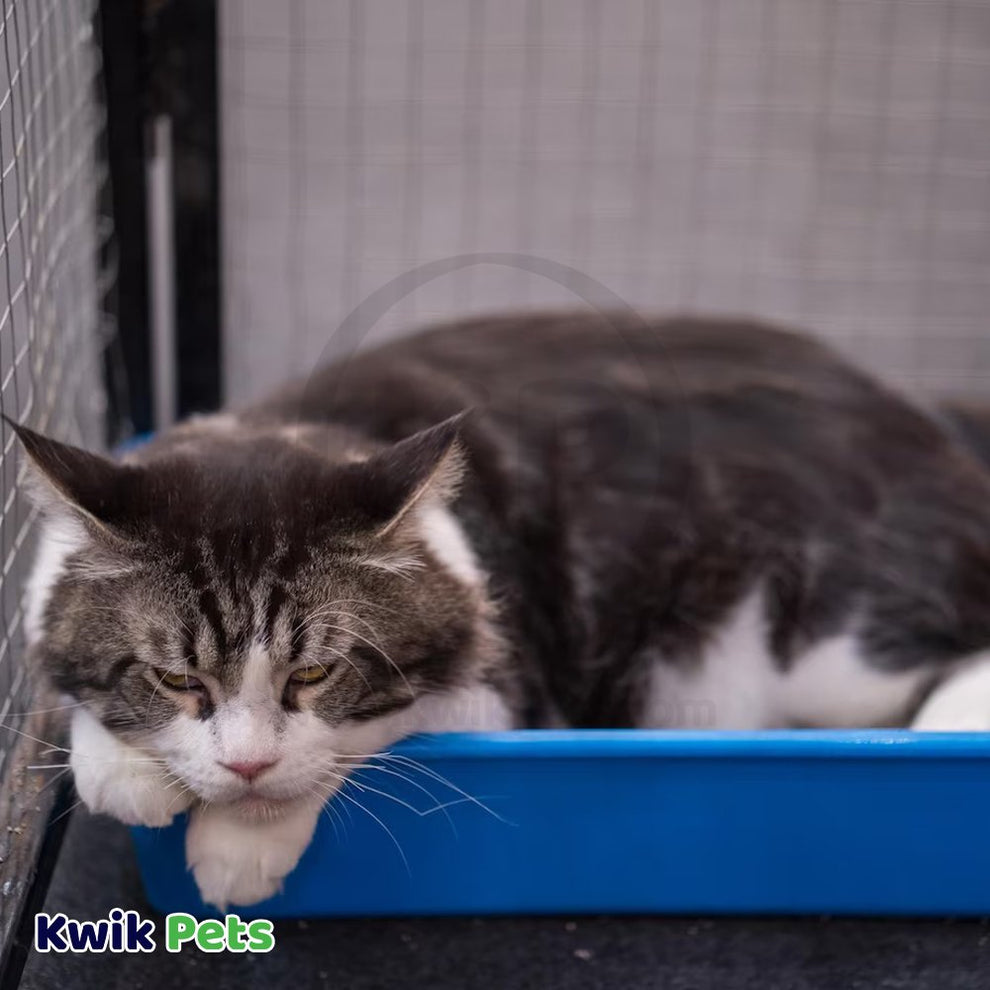
Cat owners know the importance of maintaining a clean litter box for their feline companions. However, disposing of used cat litter requires careful consideration to minimize environmental impact and ensure the safety of both humans and animals. Here's a comprehensive guide on safely disposing of used cat litter, emphasizing the use of the best litter for cats, including natural and organic options.
1. Choose the Right Cat Litter:
Start by selecting the best litter for your cat's needs. Natural cat litter, made from renewable resources like corn, wheat, or pine, is an excellent eco-friendly choice. Free from synthetic chemicals and additives, organic cat litter provides a safer environment for your cat and the planet.
2. Scoop Regularly:
Maintain a consistent scooping routine to keep your cat's litter box clean and odor-free. Remove solid waste daily and clumps as needed to prevent bacteria growth and unpleasant odors.
3. Double-Bagging Method:
Opt for double-bagging to contain any potential contaminants when disposing of used cat litter. Place the used litter in a biodegradable bag or newspaper, then seal it inside a plastic bag before placing it in the trash bin.
4. Avoid Flushing:
Resist the temptation to flush cat litter down the toilet. This can lead to environmental contamination and harm to aquatic ecosystems. Cat feces may contain parasites and pathogens that wastewater treatment facilities do not effectively remove.
5. Consider Composting:
If you're using natural or organic cat litter made from biodegradable materials, consider composting it instead of throwing it away. However, remember that cat feces should never be used in compost intended for edible plants due to the risk of contamination.
6. Dispose of Responsibly:
Be mindful of local regulations regarding pet waste and cat litter disposal. Some areas may have specific guidelines or restrictions to protect public health and the environment.
7. Health and Safety Precautions:
When handling used cat litter, always wear gloves and wash your hands thoroughly afterward to prevent the spread of bacteria and parasites. Keep the litter box area well-ventilated to minimize exposure to dust and odors.
By following these guidelines and using the best litter for cats, such as natural and organic options, you can ensure the safe and responsible disposal of used cat litter while reducing your environmental footprint. Remember, every small effort contributes to a cleaner and healthier planet for future generations.

.jpg)

Comments
Post a Comment