Posts

Showing posts with the label best litter boxes for cats

Different Types of Horse Hay Bags and Their Importance

Image
  When it comes to caring for horses, the importance of proper feeding practices cannot be overstated. One essential tool in a horse owner’s caring pantry is the horse hay bag . This seemingly simple item can significantly impact your horse's health, behavior, and overall well-being.  However, with a myriad of options available in the market, equine owners are always in a quandary about which type to get for their horses. So, let’s dive into the hay bag world and explore the different horse hay bags, how each is different, and their specialty that is beneficial for your horse.    Buy Horse Hay Bags on Amazon Why Use a Hay Bag for Horses? Why Not? Hay bags are essential tools for all horse owners to get the various benefits that contribute to the overall well-being of their equine companion. From improving digestion, enhancing gut health, strengthening their gum line, and providing mental stimulation to reducing hay waste, hay bags help in many ways and bring numerous...

How Can I Train My Cat to Use the Litter Box Properly?

Image
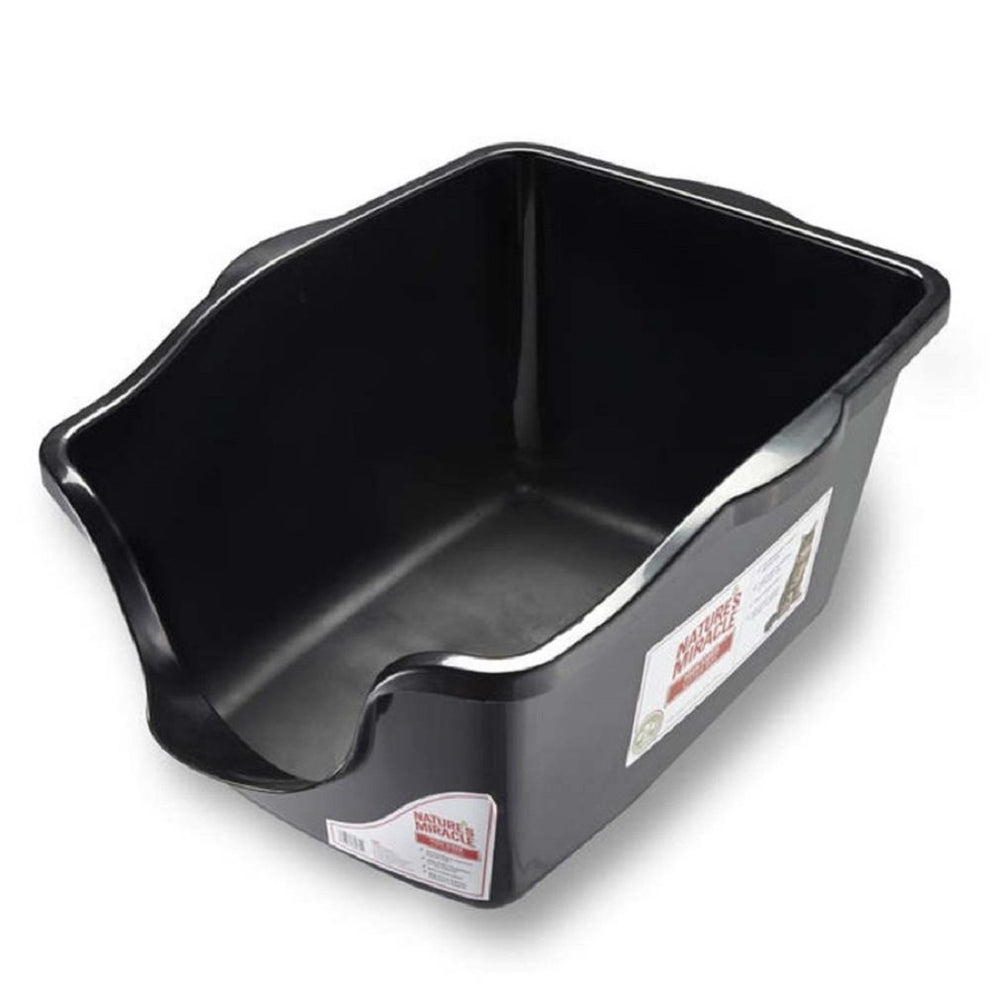
  Training your cat to use the cat litter box properly is essential for a clean and happy home. Here’s how to do it: Choose the Right Litter Box : Select one of the best litter boxes for cats , considering your cat's size and preferences. Covered or uncovered, high sides or low, the right choice can make a big difference. Location Matters : Place the litter box for cats in a quiet, accessible spot. Avoid noisy or high-traffic areas to give your cat a sense of security and privacy. Introduce Your Cat to the Litter Box : Gently place your cat in the litter box after meals and naps. Allow them to sniff and explore it. If your cat doesn't seem interested, try moving their paws through the litter to demonstrate digging. Positive Reinforcement : Praise and reward your cat with treats when they use the litter box correctly. Positive reinforcement encourages repeated good behavior. Keep it Clean : Scoop the litter box daily and change the litter weekly. Cats are clean animals and may...

What are the different types of cat litter?

Image
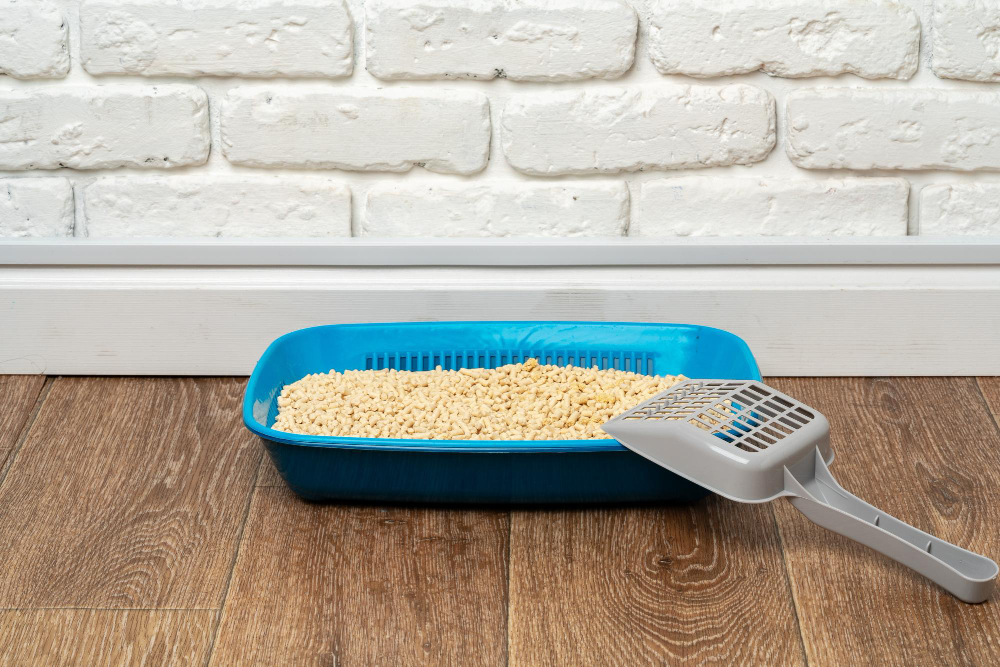
Cat litter is essential to any cat owner's arsenal, providing a sanitary environment for their feline companions to relieve themselves. With many options available on the market, understanding the different types of cat litter is crucial for selecting the best one suited to your cat's preferences and lifestyle. Clay-Based Litter: Traditional clay-based litters remain popular among cat owners due to their affordability and effectiveness in odor control. These litters absorb moisture and form clumps, making scoping out waste from the litter box easier. However, some cats may find the texture uncomfortable, and clay litter can produce dust. Silica Gel Crystals: Silica gel crystal litter offers superior moisture absorption and odor control compared to traditional clay litter. These crystals absorb liquid and lock away odors, keeping the litter box fresher for longer. Additionally, silica gel litter produces less dust, making it suitable for cats with respiratory sensitivities. B...

Can Litter Box Preferences Change as Cats Age?

Image
  As our feline companions mature, their needs and preferences evolve, including their attitudes towards the litter box. Understanding how these preferences might shift with age can help cat owners provide the best possible environment for their furry friends. From kittenhood to their golden years, here's how litter box preferences can change and how to accommodate those changes. Kittenhood: In their early days, kittens are curious and adaptable. They're learning the ropes of life, including how to use the cat litter box . At this stage, they may prefer litter boxes with lower sides for easy access. Hooded or covered litter boxes can feel confining to them and may deter proper litter box usage. Adolescence and Young Adulthood: As cats reach adolescence and young adulthood, they become more confident and may prefer more privacy when using the litter box. Covered litter boxes with a flap door can offer them the seclusion they desire while keeping litter scatter contained. Additi...

What are the pros and cons of covered vs. uncovered litter boxes?

Image
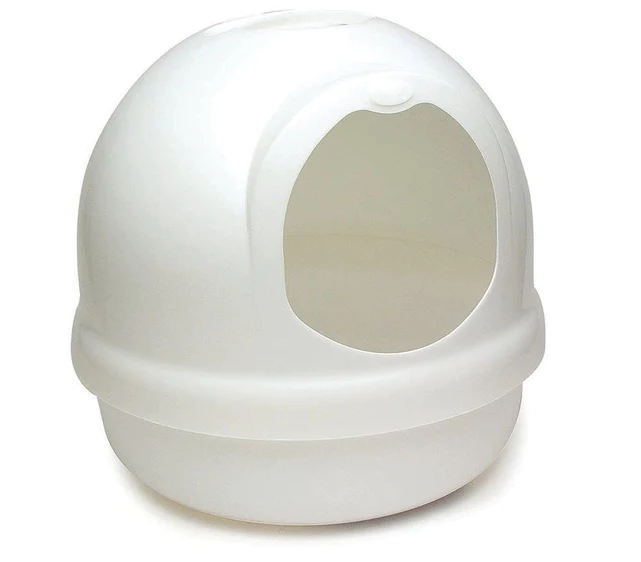
  Learn about Covered and Uncovered cat litter box: Choosing from a covered and uncovered cat litter box can significantly impact your cat’s comfort. Each choice has advantages and disadvantages, making it critical to consider the most important issues for your cat. Covered Litter Boxes: Pros: 1. Odor Containment: Covered litter boxes excel at containing odors, providing a discreet solution for cat owners concerned about maintaining a fresh-smelling environment. 2. Privacy: Cats frequently prefer the quiet provided by covered boxes, which allows them to relieve themselves without feeling exposed. 3. Litter Scatter Control: The enclosed design minimizes litter scatter, keeping your home cleaner and reducing the need for frequent sweeping. Cons: 1. Size and Space: Covered litter box for cats can be bulkier and take up more space. Some cats may find them cramped, leading to discomfort during use. 2. Cleaning Challenges: The enclosed design of these boxes makes them slightly mor...

How does the cleanliness of a litter box impact a cat's health?

Image
  The Health Connection: Cleanliness of Cat Litter Boxes Introduction: Maintaining a clean and sanitary environment for your cat is more than just good cat care; it's an important part of maintaining your cat's health and well-being. We will look at how the cleanliness of a cat's litter box affects their general health. 1. Urinary Health: A clean cat litter box prevents urinary tract infections (UTIs). Bacteria grow in dirty settings, and an unclean litter box can contribute to UTIs in cats. Regular cleaning and using the proper cat litter can help reduce the incidence of painful and potentially harmful diseases. 2. Respiratory Wellness: Dusty and soiled litter can create breathing challenges for your cat. Inhaling particles from dirty litter may lead to breathing issues. Choosing low-dust cat litter and regularly keeping a clean litter box might greatly help your cat's health . 3. Psychological Well-being: Cats are susceptible to their environment; an uncleaned litter...