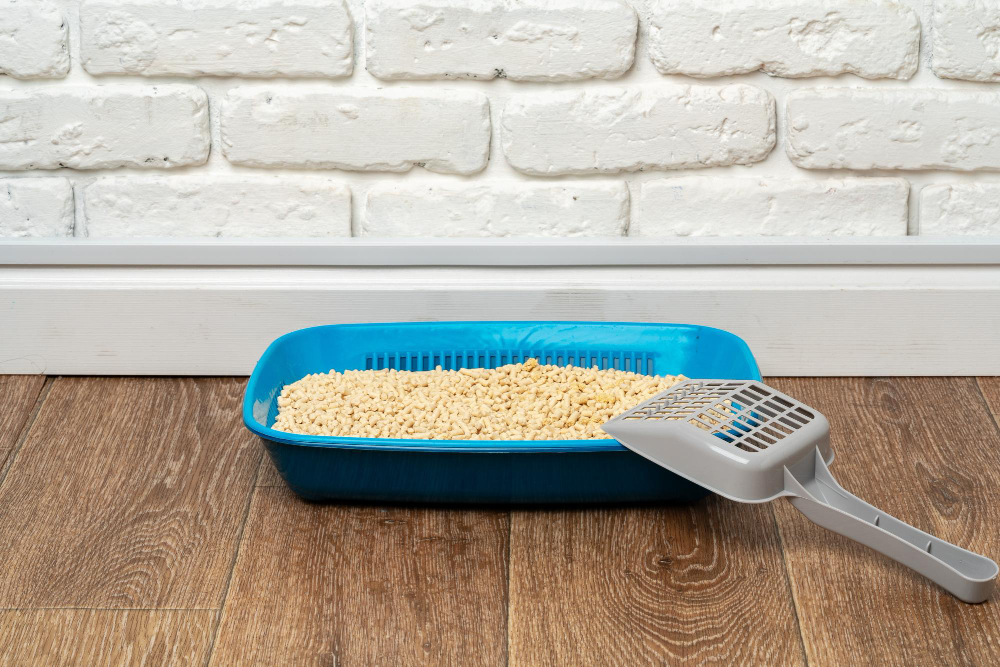
Cat litter is essential to any cat owner's arsenal, providing a sanitary environment for their feline companions to relieve themselves. With many options available on the market, understanding the different types of cat litter is crucial for selecting the best one suited to your cat's preferences and lifestyle.
Clay-Based Litter: Traditional clay-based litters remain popular among cat owners due to their affordability and effectiveness in odor control. These litters absorb moisture and form clumps, making scoping out waste from the litter box easier. However, some cats may find the texture uncomfortable, and clay litter can produce dust.
Silica Gel Crystals: Silica gel crystal litter offers superior moisture absorption and odor control compared to traditional clay litter. These crystals absorb liquid and lock away odors, keeping the litter box fresher for longer. Additionally, silica gel litter produces less dust, making it suitable for cats with respiratory sensitivities.
Biodegradable Litter: For environmentally-conscious cat owners, biodegradable litter made from recycled paper, wood, corn, or wheat provides a sustainable alternative. These litters are typically flushable and decompose naturally, reducing landfill waste. However, ensuring the litter is compatible with your plumbing system before flushing is essential.
Natural Litters: Natural litters, such as those made from pine, cedar, or walnut shells, offer a chemical-free and biodegradable option for cat owners seeking eco-friendly alternatives. These litters often possess natural odor-fighting properties and are gentle on sensitive paws. However, some cats may be deterred by the scent of specific natural materials.
Clumping vs. Non-Clumping: Within each type of litter, there are options for clumping and non-clumping varieties. Clumping litters form solid clumps upon contact with liquid waste, making it easier to scoop out soiled litter and maintain a clean litter box. On the other hand, non-clumping litters absorb moisture without forming clumps, requiring more frequent complete litter changes.
When selecting the best litter for your cat, consider factors such as odor control, dust levels, texture preferences, and environmental impact. Experimenting with different types of litter may be necessary to find the perfect fit for your feline friend and ensure a harmonious relationship with their litter box.

.jpg)

Comments
Post a Comment