Posts

Showing posts with the label #cat litter box

Different Types of Horse Hay Bags and Their Importance

Image
  When it comes to caring for horses, the importance of proper feeding practices cannot be overstated. One essential tool in a horse owner’s caring pantry is the horse hay bag . This seemingly simple item can significantly impact your horse's health, behavior, and overall well-being.  However, with a myriad of options available in the market, equine owners are always in a quandary about which type to get for their horses. So, let’s dive into the hay bag world and explore the different horse hay bags, how each is different, and their specialty that is beneficial for your horse.    Buy Horse Hay Bags on Amazon Why Use a Hay Bag for Horses? Why Not? Hay bags are essential tools for all horse owners to get the various benefits that contribute to the overall well-being of their equine companion. From improving digestion, enhancing gut health, strengthening their gum line, and providing mental stimulation to reducing hay waste, hay bags help in many ways and bring numerous...
What are the different types of cat litter?

Image
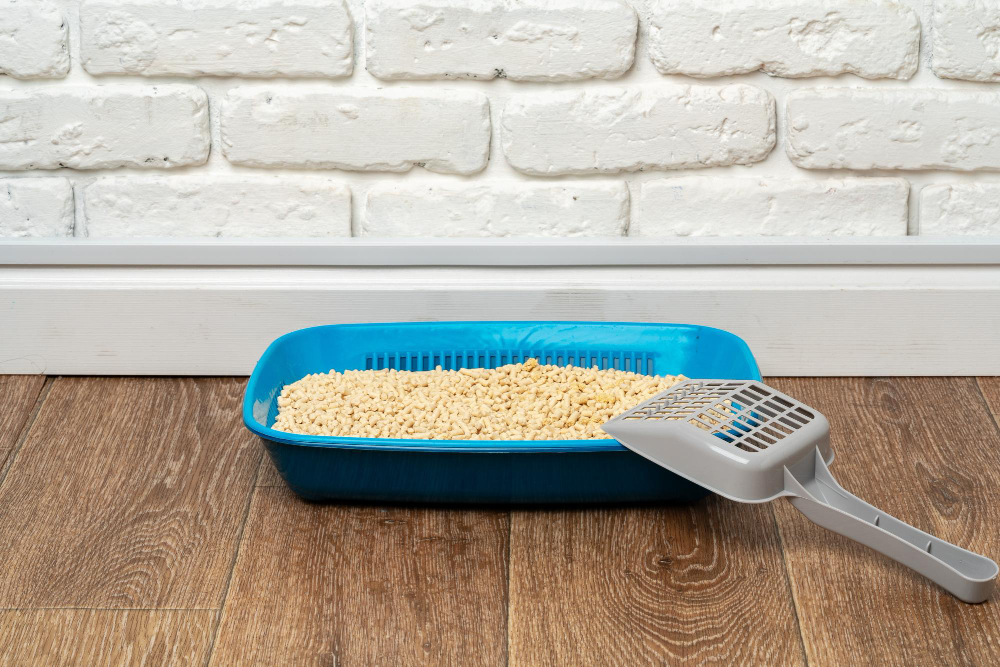
Cat litter is essential to any cat owner's arsenal, providing a sanitary environment for their feline companions to relieve themselves. With many options available on the market, understanding the different types of cat litter is crucial for selecting the best one suited to your cat's preferences and lifestyle. Clay-Based Litter: Traditional clay-based litters remain popular among cat owners due to their affordability and effectiveness in odor control. These litters absorb moisture and form clumps, making scoping out waste from the litter box easier. However, some cats may find the texture uncomfortable, and clay litter can produce dust. Silica Gel Crystals: Silica gel crystal litter offers superior moisture absorption and odor control compared to traditional clay litter. These crystals absorb liquid and lock away odors, keeping the litter box fresher for longer. Additionally, silica gel litter produces less dust, making it suitable for cats with respiratory sensitivities. B...

Can Litter Box Preferences Change as Cats Age?

Image
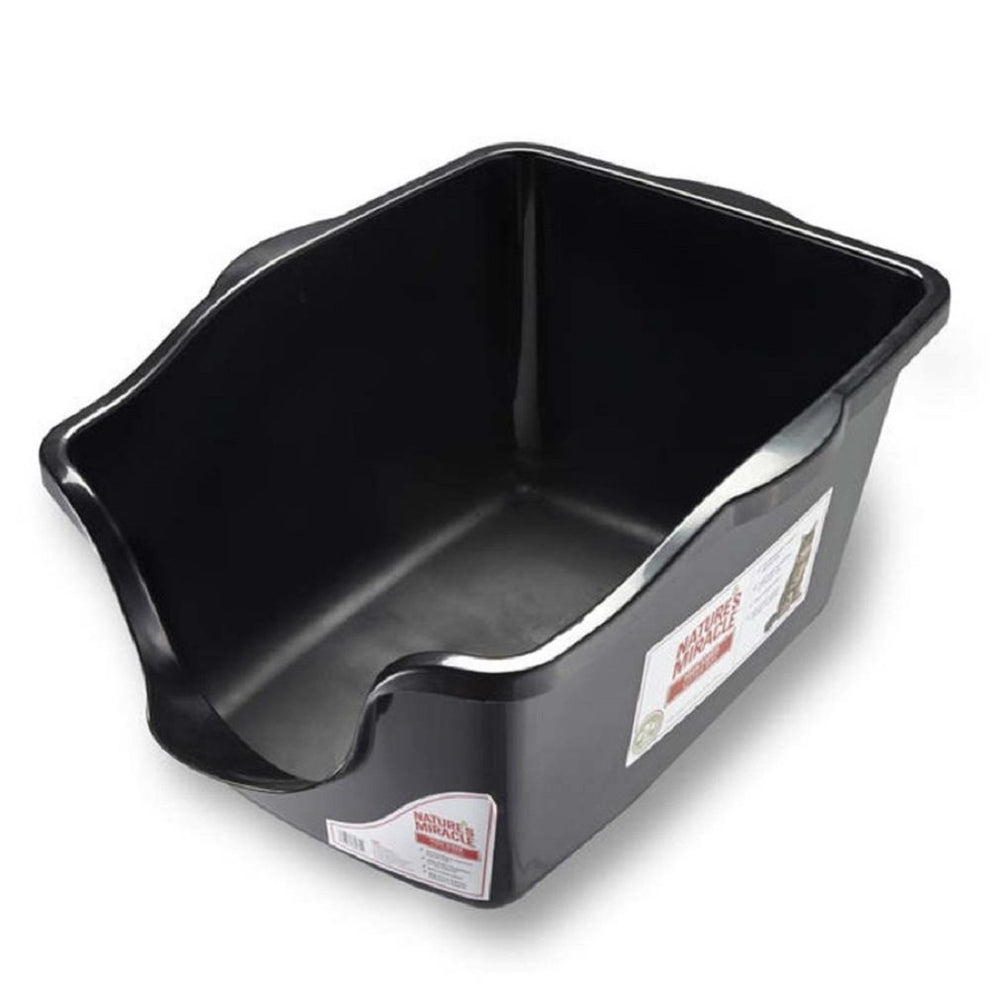
  As our feline companions mature, their needs and preferences evolve, including their attitudes towards the litter box. Understanding how these preferences might shift with age can help cat owners provide the best possible environment for their furry friends. From kittenhood to their golden years, here's how litter box preferences can change and how to accommodate those changes. Kittenhood: In their early days, kittens are curious and adaptable. They're learning the ropes of life, including how to use the cat litter box . At this stage, they may prefer litter boxes with lower sides for easy access. Hooded or covered litter boxes can feel confining to them and may deter proper litter box usage. Adolescence and Young Adulthood: As cats reach adolescence and young adulthood, they become more confident and may prefer more privacy when using the litter box. Covered litter boxes with a flap door can offer them the seclusion they desire while keeping litter scatter contained. Additi...

What Make Cats Use Litter Boxes? According to a veterinarian

Image
  At least 10% of all cats experience elimination issues. Some people stop using the box entirely. Some people use only their boxes for urine flow or defecation, not both. Others eliminate both the inside and outside of their boxes. Elimination issues can arise as a result of disputes between multiple cats in the home, a disapproval of the waste type or the litter itself, a previous medical condition, or the cat determining she doesn't like how the litter box is situated. Kitties are often regarded as a more individual, self-sufficient species than dogs, owing to the fact that they do not require people to take them out again to eliminate them. Most cats learn to eliminate in the house by using catlitter box supplies . Nonetheless, feline eradication issues are among the most common behavioral issues that clients bring to veterinarians. Often, the issue arises because human preferences for litter box location and type do not coincide with the wants of their feline companions. ...